

If someone told you there’s a small handheld gadget, not much bigger than a deck of cards, that plays Turtles in Time, Streets of Rage, Crash Bandicoot, and Mario Kart 64, that’s real, and it costs less than you’d think. These are called retro handhelds. This guide is for anyone who’s heard about them secondhand and just wants to know what they’re actually buying, without it turning into a project first.
How These Things Actually Work
The retro games run through emulation: software that replicates the original console well enough that the games play exactly like they used to, just on a new, pocket-sized screen. You’re not buying a shrunken-down SNES or PlayStation. You’re buying a small computer built to act like one.
The games themselves are stored as ROM files. A ROM is just the game itself, saved as a file, the digital version of what used to be on a cartridge or disc. Your handheld comes with an SD card, or a slot for one, and the ROMs live on that card the way photos live on your phone. Pick a game from the menu, hit start, you’re playing.
Most of these devices run on a stripped-down version of Android or Linux. In practice that just means a simple home screen when you turn it on, and a menu of games to scroll through.
What to Actually Think About Before Buying
Retro handhelds run anywhere from about $30 to $200 or more, and the price mostly comes down to which era of games it can handle, its controls, and how nice the screen and build feel in your hand.
Which era it plays is worth checking, most devices today comfortably cover everything through PS1, it’s N64 and beyond where real differences start showing up between cheaper and pricier options. Worth remembering too that N64 games lean on an analog stick, while a lot of budget-friendly devices are built d-pad first, so that’s as much a controls question as a power one.
Size and feel matter as well. Some of these are small enough to disappear in a jacket pocket, others are built bigger, closer to a game controller with a screen in the middle. Neither is better, it just depends on whether you want something you barely notice carrying around or something more comfortable to hold for a longer session.
What Handheld Retro Gaming System to actually get?
If you just want one that works: the Miyoo Mini+:
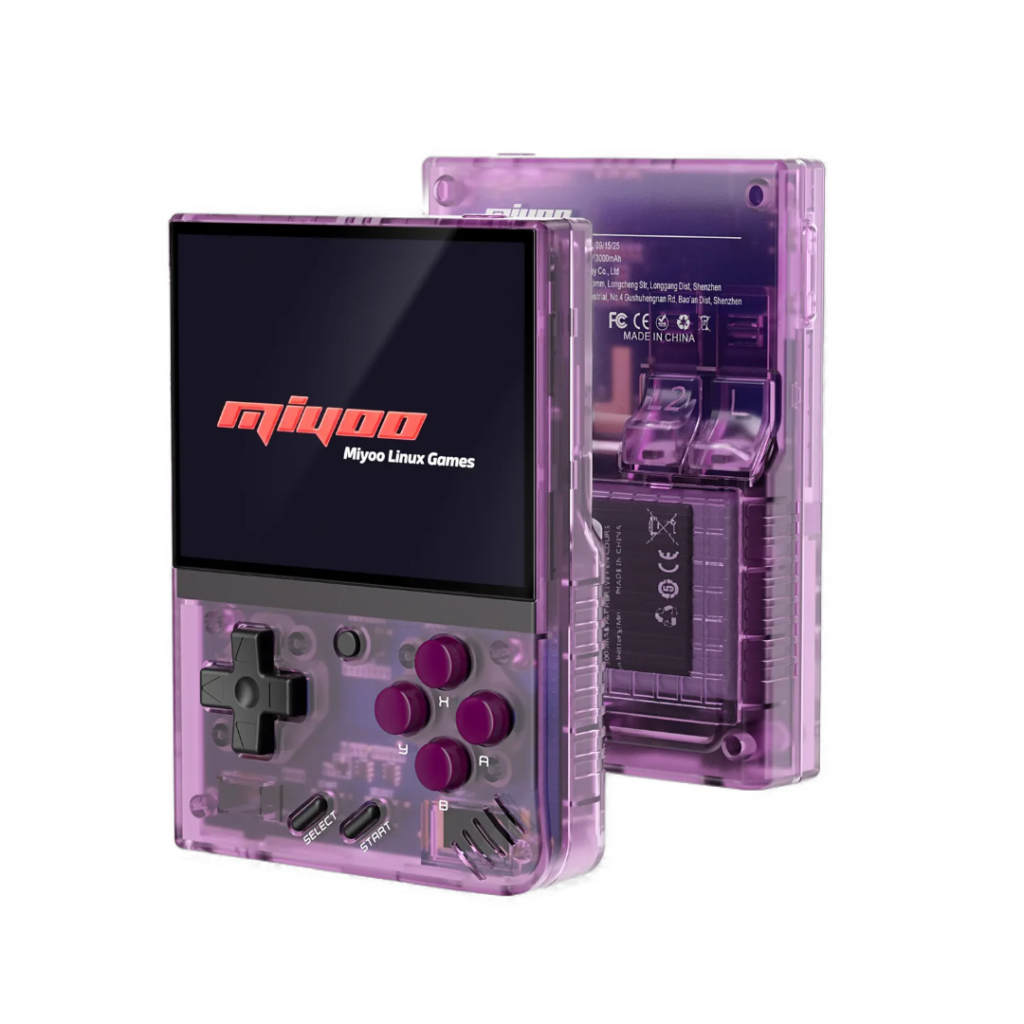
Miyoo Mini+
$51.29 $79.99 Coupon: View Deal →
It handles PS1, GBA, SNES, Genesis, and arcade-era games well right out of the box, and most people never need to touch a setting to enjoy it. If you do want to get more out of it down the line, there's a community setup called OnionOS that most owners eventually move to, but it's not some technical project, it's as easy as dragging a folder onto the SD card. Stock is genuinely fine to start with though, you're not missing out by skipping it on day one.
If you want to spend less: the Anbernic RG 35:
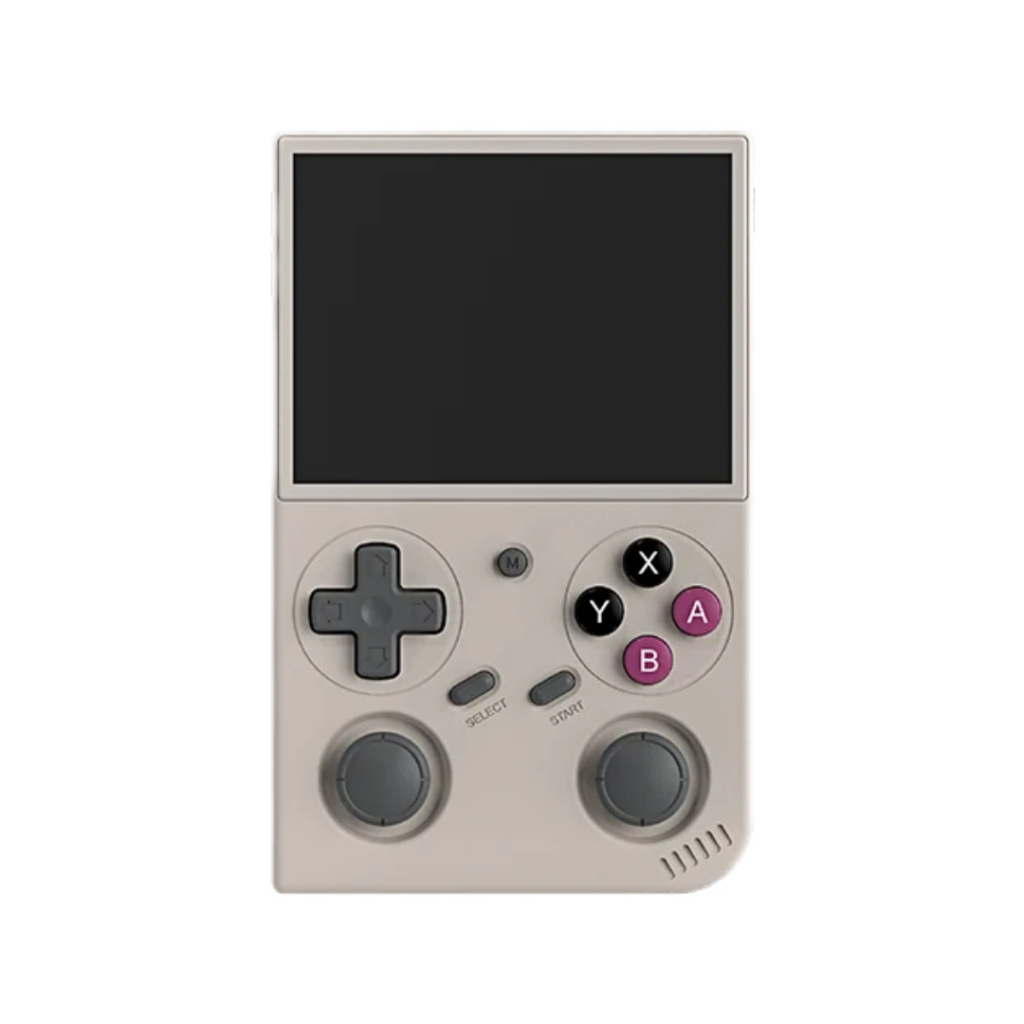
If you don't want to spend more than about $35 to test the waters, this is the easiest way in. It plays everything from the original Game Boy and NES up through the PlayStation 1 without fuss. The plastic casing feels a little lighter and cheaper than the Miyoo Mini+, but the screen is bright, the buttons are responsive, and you get dual thumbsticks for games that need them. For the price of a takeout dinner, it's a remarkably low-risk way to see if you actually enjoy retro handhelds.
If you want N64 games specifically: the Anbernic RG405V:
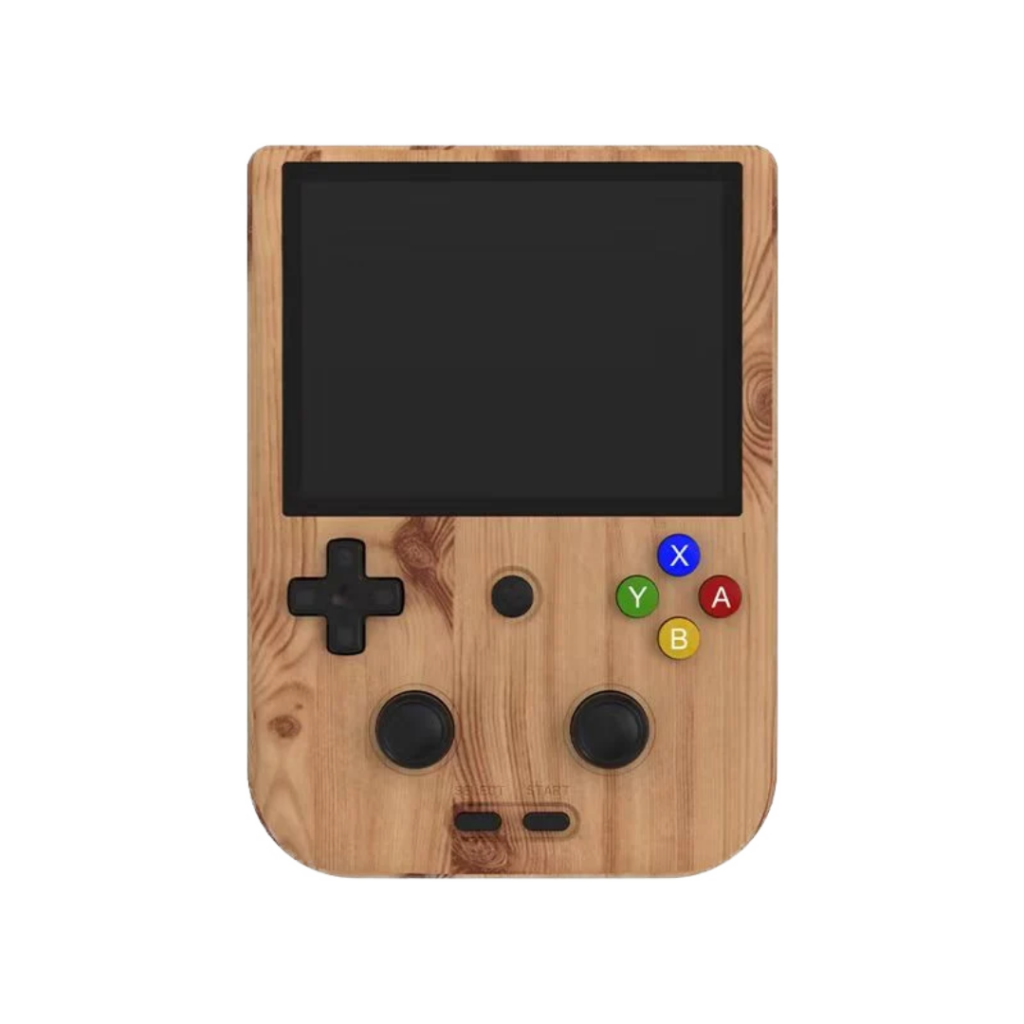
Anbernic RG405V
$104.99 $137.99 Coupon: View Deal →
This is the one built to actually run N64 without stuttering, with real analog sticks to match, so it's the pick if Mario 64 or Ocarina of Time is the actual reason you're buying.
If you want something nicer: the Anbernic RG477M:
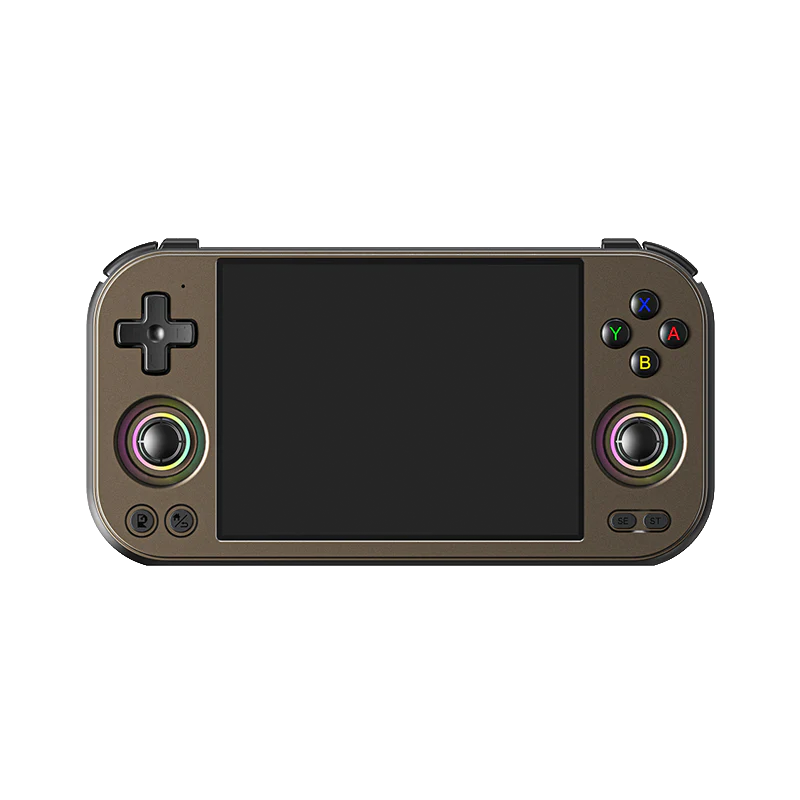
Anbernic RG477M
$259.99 $279.99 Coupon: View Deal →
Most budget handhelds top out around PS1 or struggle through N64. The RG477M sits at the opposite end of the spectrum, both in price and in what it can do. It is machined from a solid block of aluminum, giving it the weight and premium feel of high-end consumer hardware rather than a lightweight toy. More importantly, it has enough power to handle demanding PlayStation 2 and Nintendo GameCube games cleanly. It is complete overkill if you only want to play Super Mario World or Pokémon on the train, but if you want one beautifully built device that covers almost everything through the early 2000s, this is what the top tier looks like.
The links above go to each brand's official store, but these often turn up on Amazon too, usually with faster delivery, and on AliExpress, which can beat the official price if you're not in a hurry. For a fuller rundown of where to buy and what to watch for with each, see our guide to where to buy retro handhelds →.