
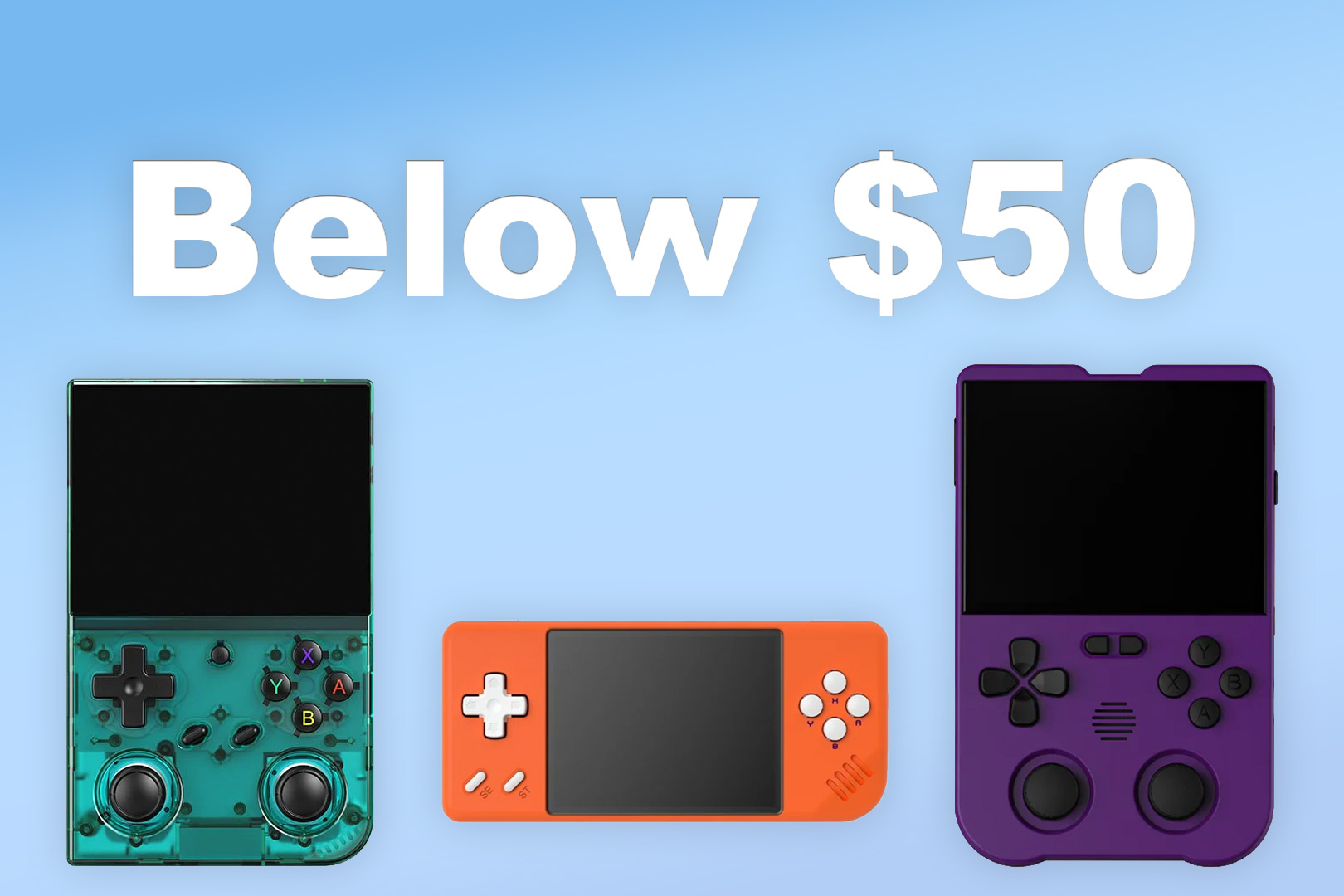
If you know where to look, the sub-$50 category is currently offering unprecedented value. You no longer need to spend a premium to get a device that’s actually enjoyable to play on. These days $50 can get you a comfortable, capable device for playing anything from the NES up through the PS1 and in many cases beyond.
In this roundup, we are looking at three distinct handhelds that maximize your dollar in entirely different ways. Whether you are looking for the absolute lowest barrier to entry, a durable everyday carry, or a feature-rich jack-of-all-trades, these are three of the best budget retro handhelds currently worth your attention.
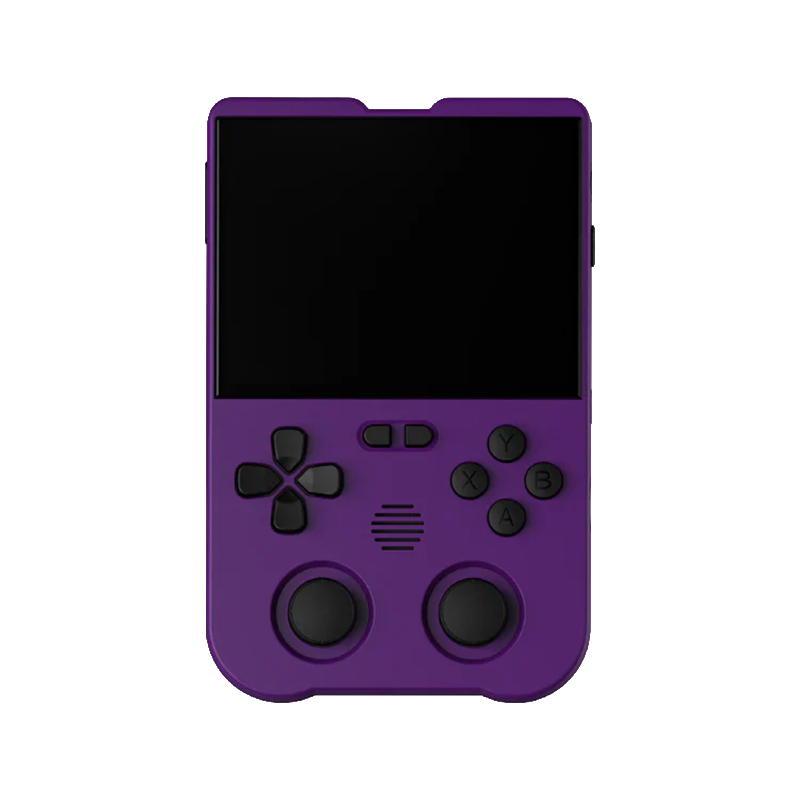
MagicX XU10
$21.00 $33.00 View Deal →
The Ultra-Budget Handheld
At just $21, the MagicX XU10 undercuts even the legendary (or perhaps infamous) R36s. Where it truly shines against other ultra-budget handhelds is ergonomics: its rounded edges and teardrop D-pad make it far more comfortable to hold than its often sharp, boxy competitors.
The once-maligned stock OS has also matured into a surprisingly polished experience. Thanks to heavy emulator optimization, harder-to-run systems like Dreamcast and PSP become viable out of the box. Though for custom firmware fans it also supports ROCKNIX. Another huge perk is that you can get this price directly from the manufacturer, meaning no dodging AliExpress clones or hunting for promo codes.
Naturally, a $21 device has its share of trade-offs. The console lacks Wi-Fi, feels a bit hollow and cheap in the hands, and features a decidedly average screen. It isn't terrible, but it won't blow you away like some modern budget displays.
Performance Breakdown:
- Flawless: 2D systems (NES, SNES, Mega Drive, Game Boy family), PS1, DS, and most of the N64 library.
- Playable: Dreamcast hits like Soulcalibur run well, and stock OS optimizations make a surprising amount of the PSP catalog accessible. Just keep in mind that the small 4:3 screen makes PSP's native widescreen feel cramped.
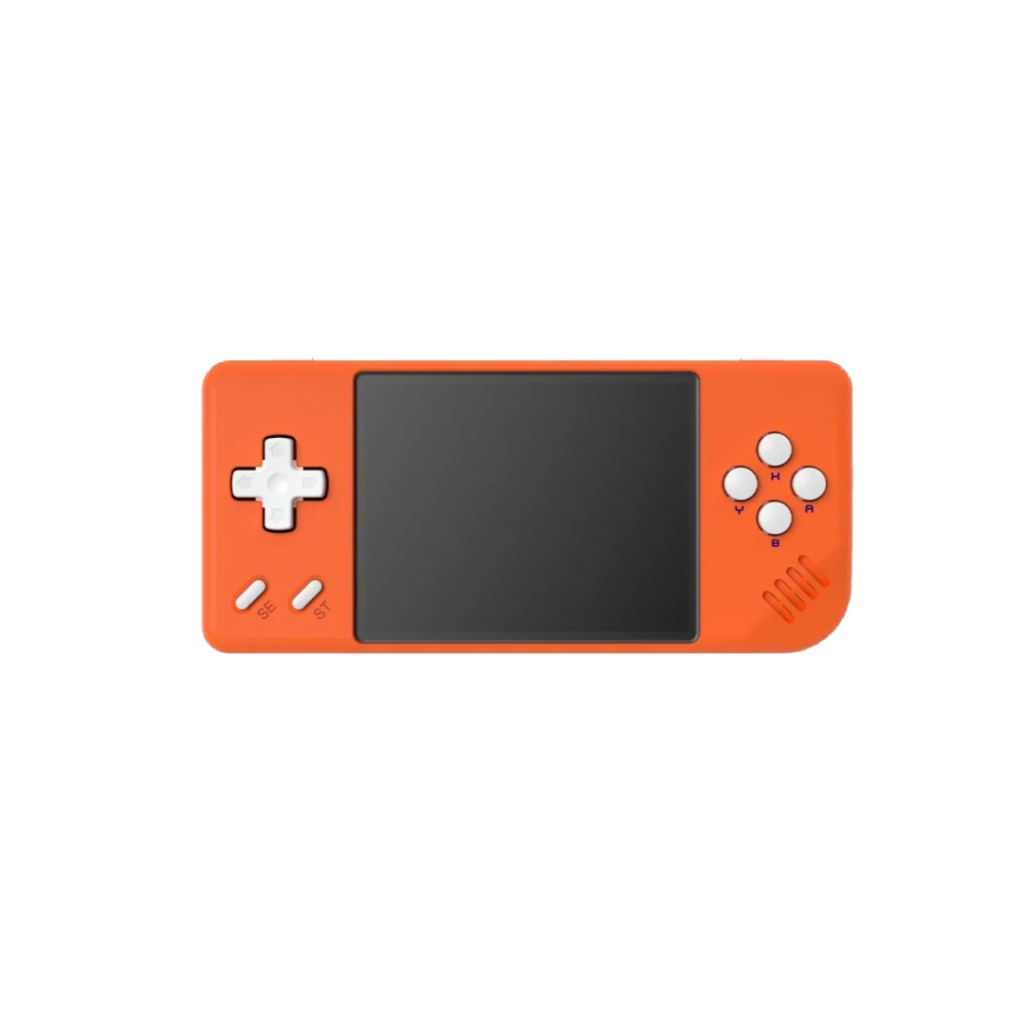
Anbernic RG28XX
$36.99 $47.99 View Deal →
The Ultra-Portable EDC
A device costing less than $40 really shouldn't have any business being able to emulate a sizeable chunk of the Dreamcast and N64 libraries. Yet that is actually the case with the Anbernic RG 28XX. Though aficionados of those specific system might want to look elsewhere, because core to the design of the RG 28XX is maximising pocketability at the cost of analogue sticks.
Where this device really shines is as a lightweight and ultra portable pocket companion. Yet that extra performance is still useful as the RG 28XX is capable of playing portmaster ports like Stardew Valley, Mina the Hollower and Balatro.
- Flawless: All standard 2D systems, GBA, and PS1 run perfectly.
- Playable: It handles a respectable chunk of the N64, Dreamcast, and PSP libraries, though heavier titles will show the system's limits.
- Plus a secret weapon (PortMaster): With this device you get access to the Portmaster library. While not ideal for many games given the lack of analogue sticks, and the lack of Wi-Fi making installation of games slightly more annoying, there are many PC classics and indie heavy hitters that run well on the device.
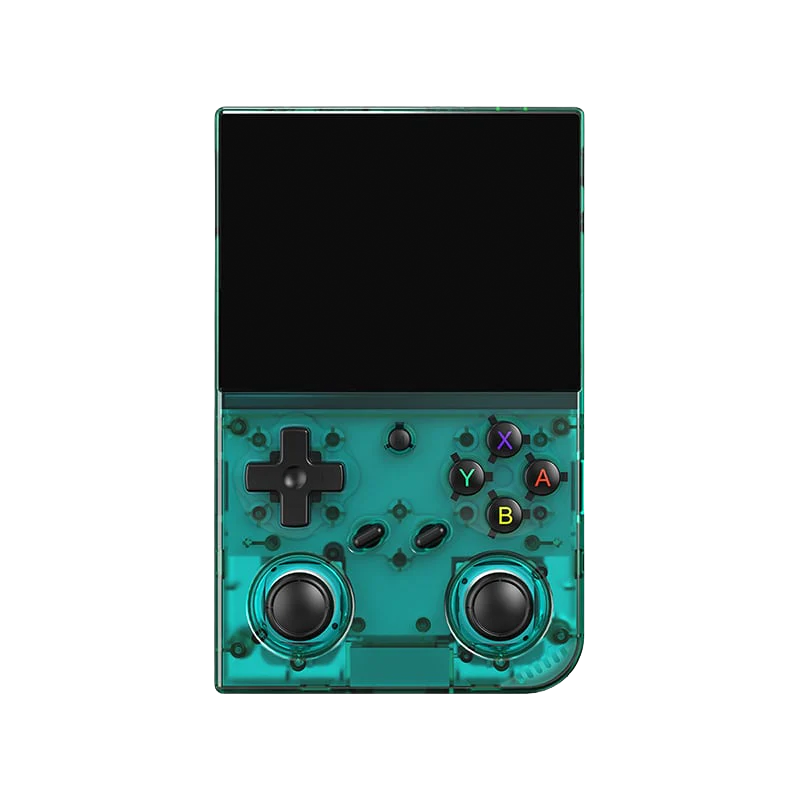
Anbernic RG 35XX Pro
The Budget All-Arounder Handheld
Barely sliding under our budget limit at $49.99, the RG 35XXPro earns its price tag by being the ultimate jack of all trades. It might not be the absolute cheapest, the most powerful, or the most pocketable device on this list, but it is undoubtedly the most premium-feeling. With excellent ergonomics and the largest battery capacity of the trio, it’s a remarkably comfortable and dependable daily driver.
What it lacks in a singular, wild gimmick, it makes up for in sheer utility. It is the only handheld on this list featuring HDMI-out for playing on an external display, alongside built-in Bluetooth for wireless headphones and controllers. The tried-and-tested Anbernic stock OS provides a great, minimal-setup experience right out of the box. However, if you prefer to tinker, the built-in Wi-Fi and thriving community mean this device boasts the widest variety of custom firmware options of the bunch.
Performance Breakdown:
- Flawless: All standard 2D systems, GBA, and PS1 run perfectly.
- Playable: It handles a respectable chunk of the N64, Dreamcast, and PSP libraries, though heavier titles will show the system's limits.
- Plus a secret weapon (PortMaster): Because it is a Wi-Fi-enabled Linux device, you get full access to PortMaster. This allows you to easily download and run a massive, highly optimized library of classic PC games straight from the handheld, adding immense value to its catalog.
Summary: Choosing Your Entry Point
Choosing between these three devices ultimately comes down to your primary use case and what you value most in a handheld:
- For the Bargain Hunter: The MagicX XU10 is the top choice for the ultra-budget tier. At just $21, its comfortable ergonomics and surprisingly optimized stock OS make it the perfect low-risk entry point into the hobby.
- For the EDC commuter: The Anbernic RG28XX is the best pocket companion below $50, giving you excellent performance and good build quality for an exceptionally low price.
- For the Generalist: The Anbernic RG 35XX Pro is the safest, most well-rounded bet. Pushing right up against our $50 limit, it justifies its price with excellent ergonomics, HDMI output, Bluetooth connectivity, and access to a massive library of classic PC ports via PortMaster.
If you prefer horizontal dual-stick ergonomics or classic vertical Game Boy nostalgia, other top sub-$50 contenders like the Anbernic RG35XX H and the Miyoo Mini+ are also fantastic options depending on active discounts.
Have a little more room in your budget? Stepping up into the $50 to $70 range unlocks noticeable hardware upgrades, including protective clamshell designs, ultra-dense displays, and 16:9 widescreen handhelds ready for PSP. Check out our roundup of the best retro handhelds under $70 to see our top picks in the next price tier.
Ultimately, the fact that you can get this level of performance, hardware quality, and community support for $50 or less proves that there has never been a better time to jump into budget retro gaming. For more great deals check out our retro handheld deal tracker.